
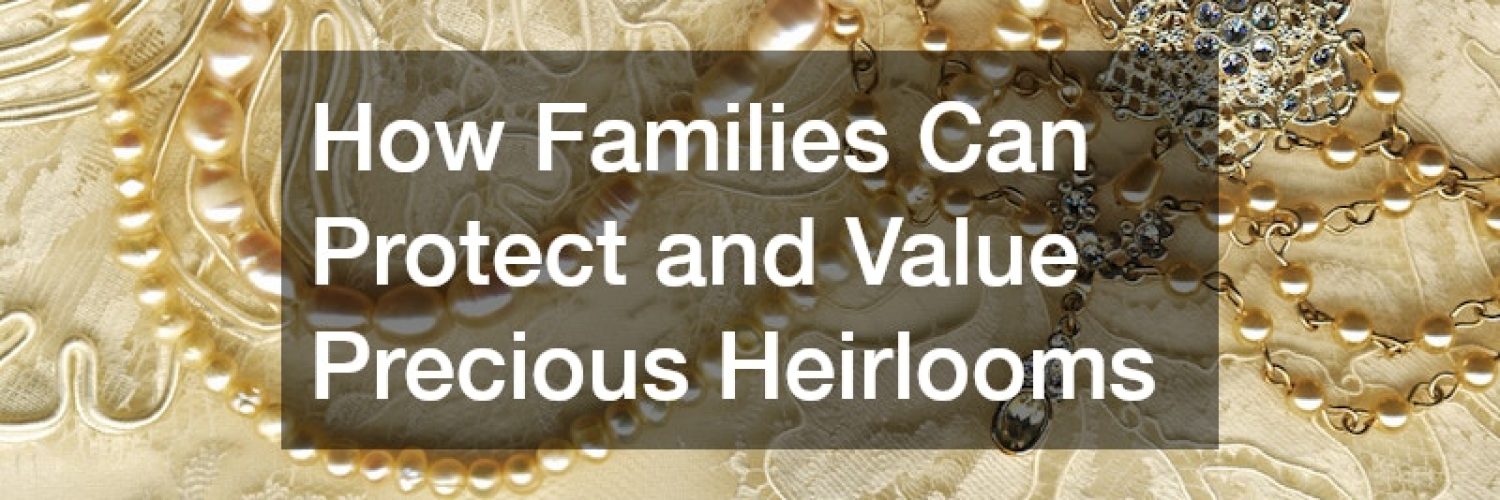
Family heirlooms carry a weight that goes far beyond their physical materials. A ring passed down through generations, a delicate necklace worn at weddings, or a box of carefully preserved keepsakes can represent decades—sometimes centuries—of family history. These items often become emotional anchors, connecting people to ancestors they may have never met while preserving stories that would otherwise fade.
Yet despite their significance, heirlooms are often vulnerable. They can be damaged through everyday wear, lost during moves, undervalued when families face financial pressure, or improperly stored without anyone realizing the long-term consequences. Many families only discover the true importance of proper care when it is already too late.
This article provides a comprehensive guide to protecting, preserving, and responsibly managing precious heirlooms. It covers how to maintain condition over time, restore and personalize items thoughtfully, understand true market value, secure proper protection, and make informed financial decisions if liquidation ever becomes necessary. The goal is to help families treat heirlooms not just as sentimental objects, but as meaningful assets that deserve intentional care and planning.
Building a Foundation for Long-Term Care and Preservation
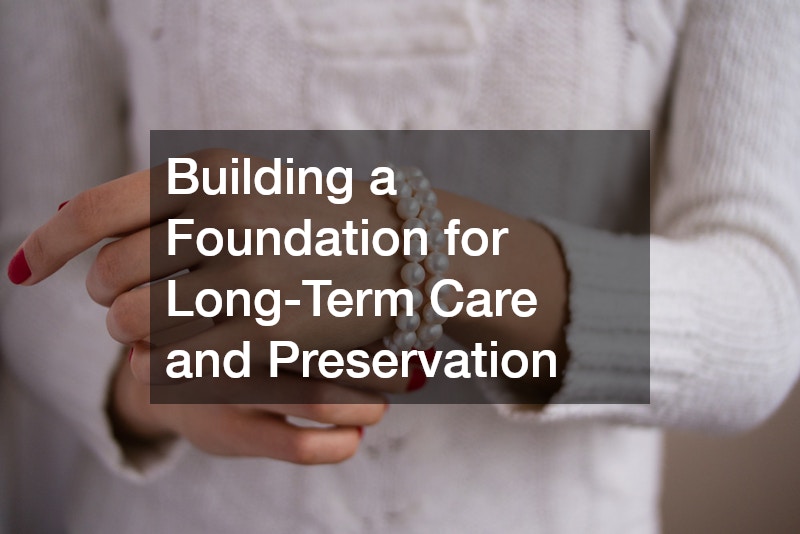
One of the most effective ways to protect heirlooms is to establish a consistent, long-term care routine. Many items deteriorate not because of sudden accidents, but because of slow neglect over time.
Working with professional jewelers is a key part of this foundation. Skilled professionals can identify issues that are invisible to the untrained eye, such as loose prongs, thinning metal, or weakened clasps. Regular inspections can prevent small problems from turning into irreversible damage.
Families should also pay special attention to antique jewelry, which often requires more delicate handling than modern pieces. These items may contain softer metals, older settings, or fragile construction techniques that are no longer commonly used.
Practical steps for preservation:
- Schedule professional inspections every 12–18 months
- Avoid exposing heirlooms to household chemicals or harsh cleaning agents
- Store pieces individually to prevent scratching or tangling
- Keep items away from extreme heat, humidity, and sunlight
- Rotate worn items to minimize wear on any single piece
By combining professional oversight with careful daily habits, families can significantly extend the life of their most meaningful possessions.
Enhancing and Restoring Family Treasures Thoughtfully
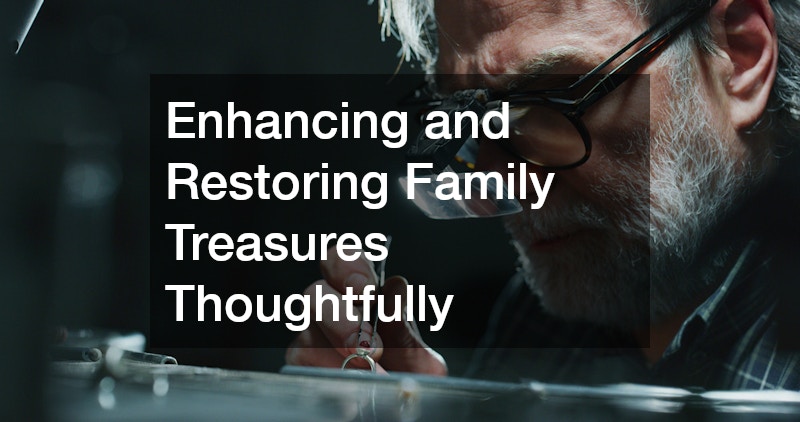
Over time, heirlooms may require restoration or redesign. Rather than allowing damaged pieces to remain unused, many families choose to update them while preserving their sentimental value.
Working with a skilled custom jeweler allows families to reimagine older pieces in ways that maintain emotional significance while improving durability or wearability. For example, an outdated ring setting can be modernized while keeping the original stone intact, or a broken necklace can be redesigned into a more contemporary style.
In more complex situations, estate jewelry services can provide professional evaluation and guidance on whether restoration, resale, or preservation is the best option. These services help families understand the historical and financial context of their items before making decisions.
Helpful restoration considerations:
- Always ask whether original materials will be preserved
- Request a full explanation of design changes before approving work
- Keep documentation of the original condition
- Avoid unnecessary alterations that reduce historical value
- Choose reversible design modifications when possible
Thoughtful restoration ensures heirlooms remain both functional and meaningful, rather than being locked away or discarded due to age or damage.
Understanding Market Value and Making Informed Financial Decisions
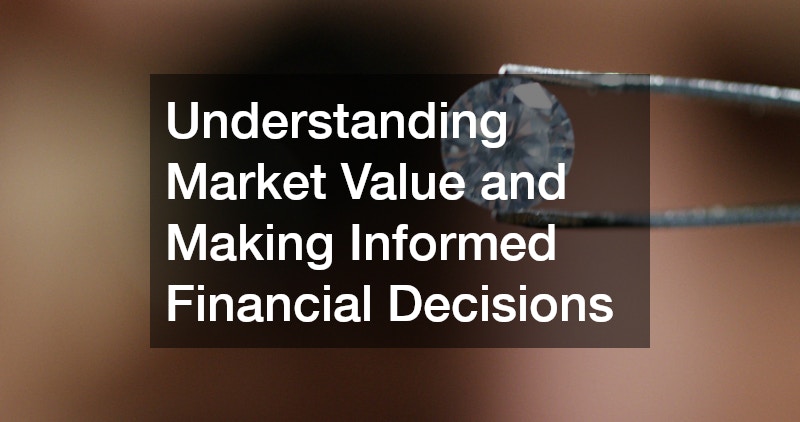
At some point, families may need to understand the monetary value of heirlooms—whether for insurance, estate planning, or financial necessity. This is where professional evaluation becomes essential.
A qualified jewelry buyer evaluates pieces based on material content, craftsmanship, brand recognition, and current market demand. However, it is important to recognize that emotional value rarely aligns with resale value, which can sometimes lead to difficult but necessary decisions.
In situations where immediate liquidity is needed, some families consider searching, “Where to sell my gold?” Gold items are often valued based on weight and purity, making them more straightforward to assess than intricate heirloom pieces.
Key financial evaluation tips:
- Always obtain multiple appraisals before selling
- Understand current market trends for precious metals
- Separate emotional attachment from financial decision-making
- Ask for a breakdown of valuation factors
- Avoid accepting the first offer without comparison
Being informed helps families avoid undervaluation and ensures that any financial decision is made with clarity rather than urgency. This knowledge empowers them to assess their options thoroughly and make choices that align with their long-term goals. Additionally, staying updated on market trends and seeking professional advice can further enhance their understanding and confidence. By prioritizing education and open communication, families can navigate financial challenges more effectively and build a stable future together.
Protecting Heirlooms Through Insurance and Documentation
Even with careful handling, unexpected events such as theft, fire, or loss can occur. Proper protection is essential to safeguarding heirlooms for future generations.
Specialized collectors’ insurance services provide coverage tailored specifically to valuable personal items. Unlike standard homeowners’ policies, these services often account for appreciation in value and offer more comprehensive protection for high-value collections.
Equally important is documentation. Without proof of ownership, condition, and value, insurance claims and estate transfers can become complicated or incomplete.
Essential protection strategies:
- Maintain updated appraisals every few years
- Photograph items from multiple angles
- Store receipts, certificates, and provenance records securely
- Create a digital backup of all documentation
- Review insurance coverage annually to ensure accuracy
Families who take documentation seriously are far better positioned to recover value in the event of loss and to preserve historical records for future generations. Proper documentation not only provides a clear account of possessions and events but also helps in planning for the future and making informed decisions. By maintaining meticulous records, families can ensure that their legacies and memories are preserved, allowing future generations to connect with their heritage. Additionally, well-organized documentation can simplify the process during legal matters or insurance claims, ultimately saving time and stress when it’s needed most.
Managing Short-Term Financial Needs with Care and Caution
There are times when families may need temporary access to cash without permanently parting with heirlooms. In these cases, pawning can become an option, but it must be approached with caution and a clear understanding of both the financial mechanics and the emotional stakes involved. Because heirlooms often carry deep sentimental value, the decision is rarely just about money—it is also about the risk of permanently losing something that cannot be replaced.
Using services that allow you to pawn my jewelry provides short-term loans using valuable items as collateral. The process typically involves handing over an item such as a ring, bracelet, or necklace in exchange for a loan amount based on its assessed resale value. If the loan is repaid within the agreed timeframe, the item is returned. If not, the pawn shop gains ownership and may resell the piece. While this structure can provide fast access to cash without a credit check, it also places significant pressure on timely repayment, since missing deadlines can result in permanent loss.
A pawn store typically evaluates items quickly and offers a loan based on resale potential rather than full market or sentimental value. Evaluations often consider metal content, gemstone quality, brand recognition, and ease of resale. Because these assessments are done in a short time frame, they may not fully capture the item’s true worth, especially for unique or antique pieces. However, the convenience of immediate funding often comes with trade-offs such as higher interest rates, storage fees, and lower loan-to-value ratios compared to traditional financial options or private sales.
Important considerations before pawning:
- Understand repayment deadlines and interest rates clearly: It is essential to know exactly when repayment is due, how interest accrues, and what fees may be added over time. Even small delays can significantly increase the total repayment amount.
- Confirm how items are stored and secured: Ask how the pawn shop protects valuables while in their possession, including insurance coverage, storage conditions, and tracking procedures. Proper security reduces the risk of damage or loss while the item is held.
- Compare offers from multiple locations: Different pawn shops may evaluate the same item differently. Getting multiple offers helps ensure a fairer loan amount and better overall terms.
- Only use pawning for short-term financial emergencies: Pawning is best suited for urgent, temporary needs rather than ongoing financial gaps. Relying on it repeatedly can create a cycle of debt that becomes difficult to manage.
- Have a repayment plan before agreeing to terms: Before committing, there should be a realistic and specific plan for how and when the loan will be repaid. Without this, the risk of losing the item increases substantially.
Pawning should be seen as a temporary solution rather than a long-term financial strategy, especially for irreplaceable family heirlooms. It is most effective when used sparingly, with full awareness of the financial obligations and the emotional cost of potentially forfeiting a meaningful piece of family history.
Turning Collectible Coins Into Informed Financial Assets
Not all heirlooms are jewelry-based. Many families also inherit coin collections, which can carry significant historical and monetary value. These items require a different approach when it comes to valuation and liquidation, largely because coins exist at the intersection of numismatics (collecting) and precious metal investing. A coin might be valuable for its gold or silver content alone, but in many cases, its collector value far exceeds its melt value due to rarity, minting errors, historical context, or limited production runs.
Choosing to sell your coins can be a practical decision in certain situations, but it should be done with careful research. Coin value depends heavily on rarity, condition, mint year, and collector demand, which can fluctuate over time. Even small differences in condition—such as sharpness of detail, surface wear, or original luster—can dramatically change pricing. For example, two coins from the same year and mint may have vastly different values simply because one has been circulated heavily while the other remains in near-mint condition. Market demand also shifts based on collector trends, economic conditions, and even auction results that influence perceived scarcity.
Before selling, families should understand what they own and avoid rushing into transactions without proper evaluation. Many inherited collections include mixed-value coins, where a few rare pieces are surrounded by more common currency. Without sorting and identification, it is easy to undervalue the collection as a whole. Taking time to catalog coins individually can reveal hidden value that would otherwise be missed in a bulk sale.
Coin selling best practices:
- Have coins professionally graded when possible: Professional grading services assess condition using standardized scales and encapsulate coins for authentication. This not only verifies legitimacy but also increases buyer confidence and can significantly raise market value for high-quality specimens.
- Research historical value and rarity indicators: Understanding mint marks, production numbers, historical periods, and known variations helps determine whether a coin is common or highly sought after. Some coins gain value due to historical significance rather than precious metal content alone.
- Avoid cleaning coins, as it can reduce value: Cleaning often removes natural patina and microscopic surface details that collectors consider essential to authenticity. Even light polishing can permanently lower a coin’s grade and reduce its resale potential.
- Compare offers from multiple dealers or collectors: Pricing can vary widely between buyers depending on their specialization and current inventory needs. Getting multiple evaluations helps establish a realistic market range and prevents undervaluation.
- Consider long-term appreciation potential before selling: Some coins continue to increase in value over time due to growing collector demand or diminishing supply. In certain cases, holding onto a collection—even partially—may yield greater long-term benefit than immediate liquidation.
By treating coins as collectible assets rather than simple currency, families can make more informed decisions that preserve financial value and historical significance.
Conclusion
Protecting family heirlooms requires more than careful storage—it demands ongoing attention, informed decision-making, and a balance between emotional and financial awareness. These items represent personal history, cultural identity, and generational continuity, making their care an important responsibility.
Whether maintaining condition through professional care, restoring pieces for continued use, evaluating market value, securing insurance protection, or making difficult financial decisions, each step plays a role in preserving the legacy. When families take a structured and thoughtful approach, heirlooms can continue to tell their stories for generations to come, rather than fading into uncertainty or loss.
Ultimately, the goal is not just to preserve objects, but to protect the memories and meaning they carry forward into the future.
